
What does this project mean to us?
“For me, this project is a point of connection between lots of different people.”
“This project has given me lovely memories of community.”
“Last year, this project gave me the chance to exhibit my art and share it with the public for the first time. It was a wonderful experience, and through it I got to know new people, KUBO and my current partner. The project made something possible for me that I would never have done otherwise, and it also gave me a lot of confidence in my art and in working with other people.”
“Feeling connected to other people thanks to this project means a great deal to me.”
“To me, this project means experiencing community and seeing how we grow, share and create together. It gives me courage in my own creative work and in following my interests.”
“Through this project, I feel that I belong in the cultural world, and I feel braver about helping to shape it.”
“For me, it means bringing KUBO, the free space we used to have, back to life, and with it the feeling of community and of belonging.”
1.Our story
1.1“How did we start?”
Beginnings in 2023 and first art exhibition at Dynamo, Zürich 2024
2023
A few friends who met on an art and design foundation course are sitting in a painting class:
“Have you seen Dynamo’s open call?”
“Yes. Wouldn’t it be fun to put on an exhibition in that dark room?”
“But isn’t the room totally unsuitable? And we have no experience with exhibitions at all. Does anyone even want to see our art?”
“Shouldn’t art be free? Who gets to decide what an exhibition should be like?…”
A few minutes later, we wrote to Dynamo and asked how open they would be to an art exhibition. The reply came quickly: they had never done anything like it in that setting, but they were keen to work with us.
We spent our next lunch breaks sharing ideas and planning. There were barely three months left until the exhibition. We were ten people putting the project together in our free time. For all of us, it was the first chance to exhibit our art.
Our first core values
One of our core values came about almost in passing, in the very first hours of planning, and it still shapes the project today: “Accessibility for all”. When we talked about the theme of the exhibition, we quickly agreed: we often find the art world elitist and hard to access. That was exactly the atmosphere we wanted to avoid. We thought about where we could create accessibility and settled on the following points:
- A non-commercial event, based on a voluntary collection.
- We don’t want to present ourselves as professionals. Instead, we want to show ourselves as we are, real and imperfect, and give people a glimpse into our creative processes.
- No selling of art; only prints in exchange for a donation to the collection.
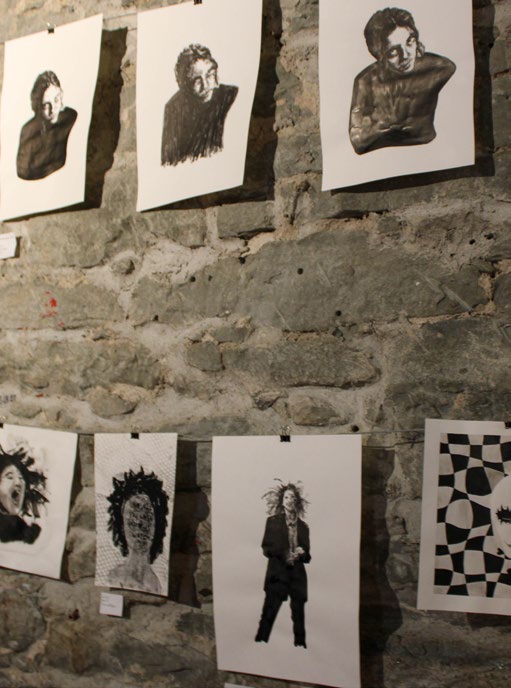
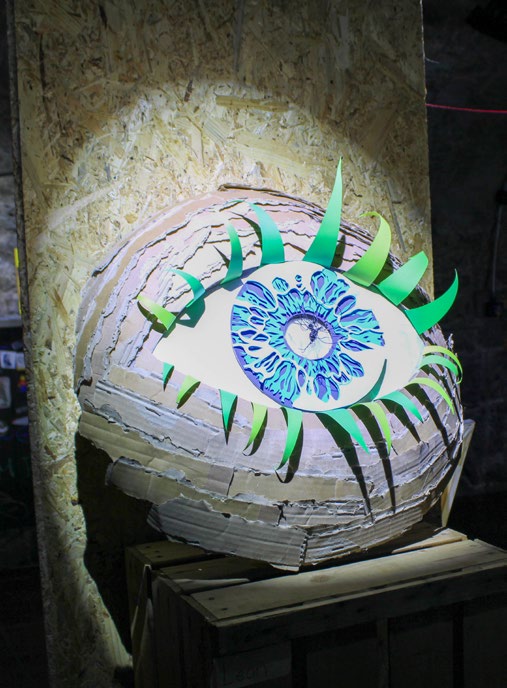
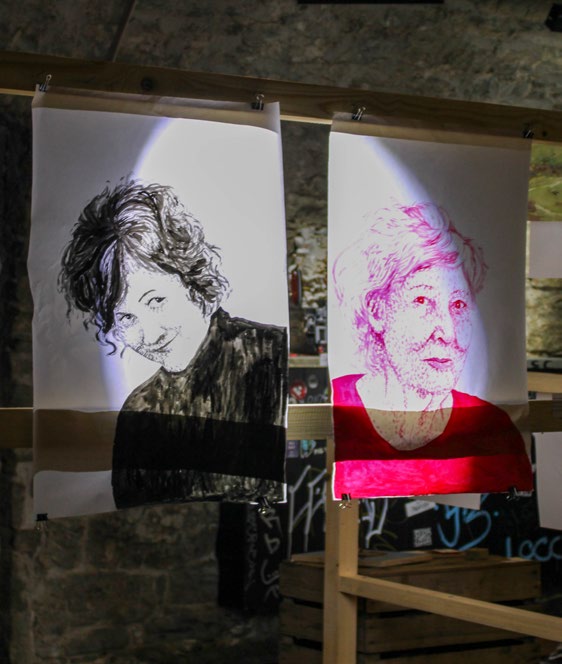
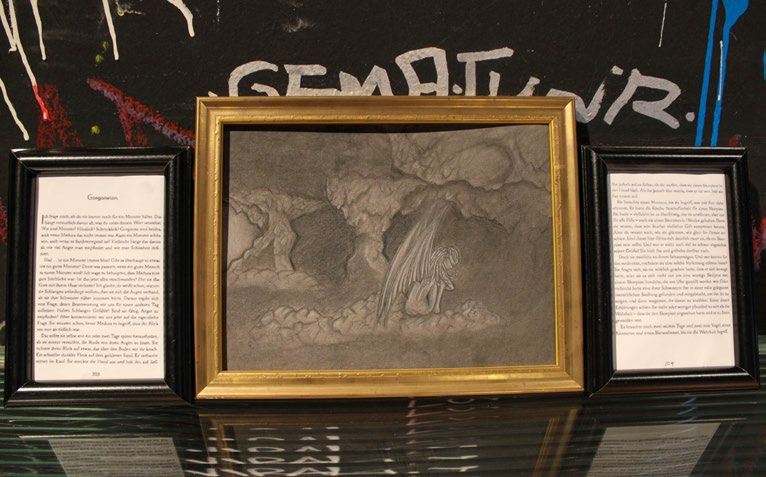
Our first art exhibition
Dynamo, Zürich, February 2024
As the theme of the exhibition we chose “Being human”, because it is as varied as we are. Dynamo had received another request for the same evening from people who wanted to organise a party. They asked us whether we would like to combine the two programmes. The idea of creating a shared space with art and music felt right to us, so we joined forces. That is how one of the pillars of our project came about, quite spontaneously: a stage for artists and musicians.
1.2“The road to Aarau”
Art exhibition and creative day at KUBO, Aarau 2024
2024
Our first art exhibition was only a few weeks behind us when, out of the blue, we got the chance to put on the programme at the Kultur- und Begegnungsort Aarau (KUBO), a place for culture and encounters.
We decided to put on our next art exhibition in September 2024. New people joined, others moved on. What stayed was our motto:
“Accessibility for all”
By doing it again, we wanted to promote exactly that.
Art exhibition at KUBO
KUBO, Aarau, September 2024
Our concept wasn’t settled yet. We decided to leave out the music programme and offer workshops instead. We wanted to create room to make things freely and experiment, without rigid rules. For ourselves and for our visitors. Our idea:
“Emerging art
within existing art”
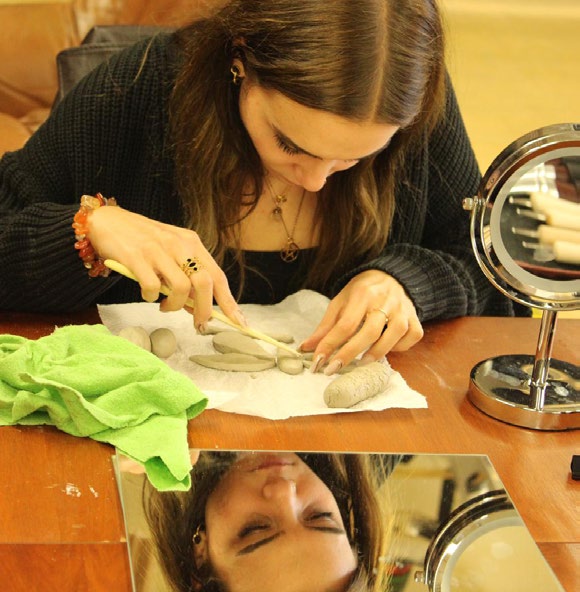
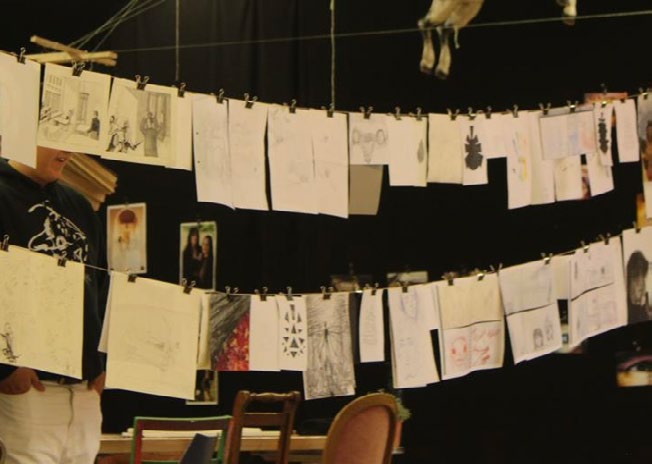
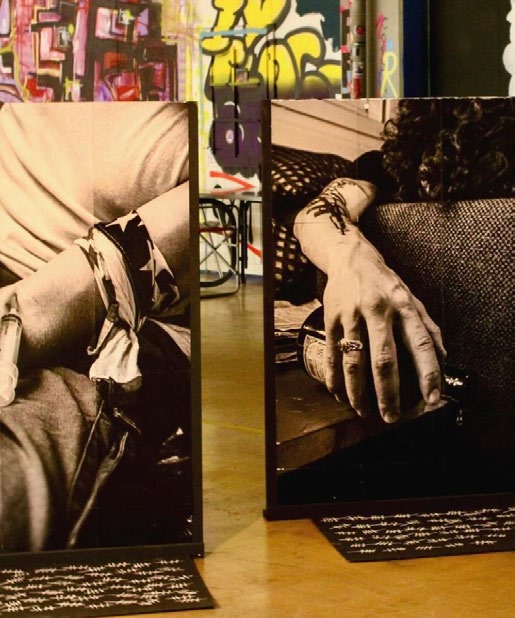
As a group of eight, we brought photography, painting, installations, ink painting, sketches and other work to the exhibition. In the middle of the room there were workshops with clay and various drawing and painting techniques. That is where new art emerged during the exhibition, together with the visitors. It opened up room for exchange and connection. Around this area, a circular path led through the works on display.
One highlight was the graffiti piece that a graffiti artist created during the exhibition. People could watch, chat with him or have a go themselves.
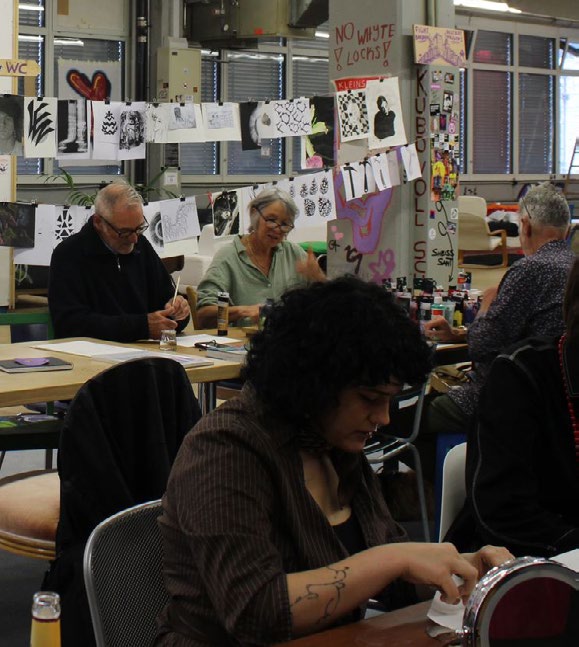
People of all ages sat together at the tables, tried things out, looked at the art and talked with us. It showed us that projects like this are needed. A non-commercial event is open to a wide range of people, invites them to discover things and brings all kinds of people together.
Our principles grow
Along the way, our principles grew. We realised how much direct exchange and room to experiment matter to us. The group can and should change. People come and go, and each time they help reshape the group culture and the concept. For us, accessibility means bringing different people together with their interests and topics, making exchange possible and creating room for free creativity.
1.3“We need space”
Joining the KUBO collective, Aarau 2024
2024
We all need space, and we all need free space. For us, free space means having a place where we can explore our interests, experience community, practise self-organisation, take on responsibility and help shape culture.
Some of us felt exactly this need for a safe space and joined the KUBO collective. Those who didn’t join kept coming back too, to help out or just to visit.
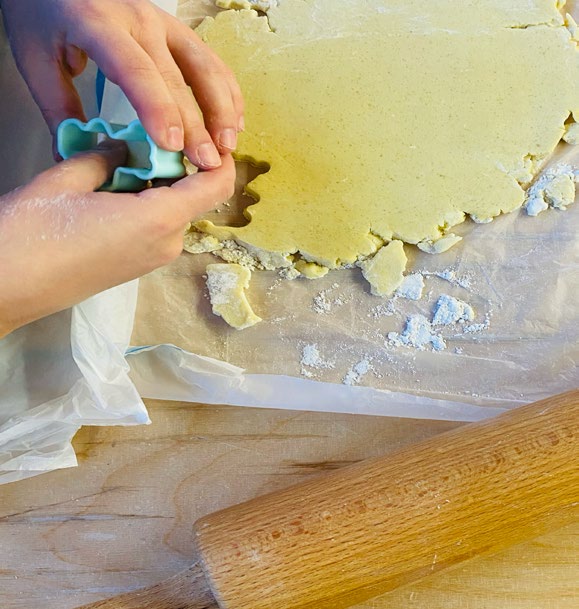
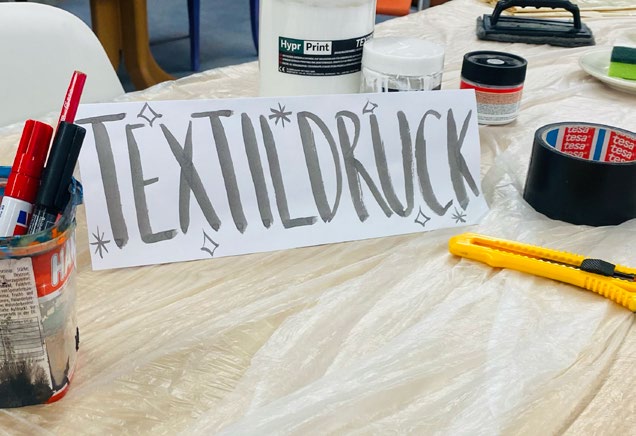
After joining the collective, we tried out all sorts of things: creative workshops with a musical evening programme, cooking events, craft and film nights, raves and concerts. The tasks covered everything too, from designing flyers to organising and coordinating to cooking for the crew.
We organised ourselves, shaped the space around our needs, lived exchange and community, and in doing so added to the culture of Aarau.
For many of us, it became more than just “free time”. It was a space where freedom could be lived and shaped. Friendships grew here, we experienced care and found room for our individual interests. For some, this free space even influenced their choice of degree or where to live, and gave them social stability for the first time. Through the different projects we got to know each other better. Our friendships carried on outside the space as well, and we worked together on other projects.
2025
In spring 2025 came the bitter realisation: despite our many attempts to find somewhere new, we had to move out of our temporary space in the summer. We were deeply disappointed by the lack of support. For many of us, it was a heavy loss. We gathered our energy to face the end of the KUBO free space together. In June 2025 we carried the last memories out of the Rockwell building, closed the doors and said goodbye in front of the entrance with tears and a can of beer. We promised each other not to give up the fight for a free space.
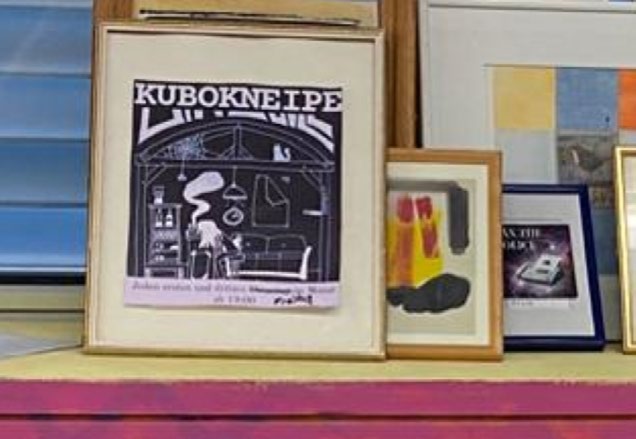
The collective and the friendships remained. We decided to carry on as far as our means allowed. Our decision: we take free space for ourselves and share this feeling of community, care and freedom with others. Our space was taken from us, but what we experienced there stayed with us. That is exactly what we want people to be able to feel again.
So we turned our focus to events in different places and, among other things, brought back the idea of an art exhibition. By then we had gained experience with concerts, and new people with different interests had joined us. We wanted to connect the beginnings of our project with what we had found at KUBO: a home. That gave rise to the idea of an art exhibition with a musical evening programme.
1.4“We’re taking free space!”
Art exhibition and evening programme at Flösserplatz, Aarau 2026
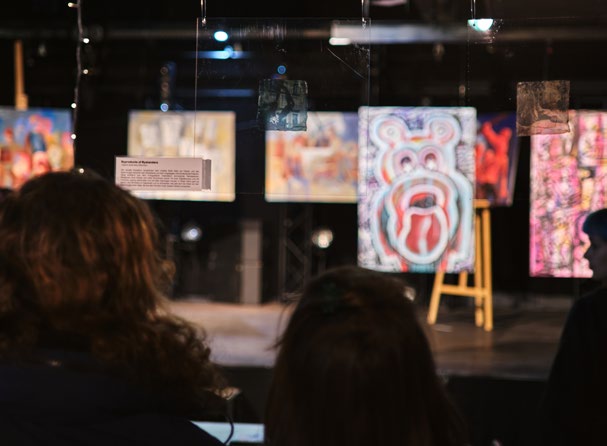
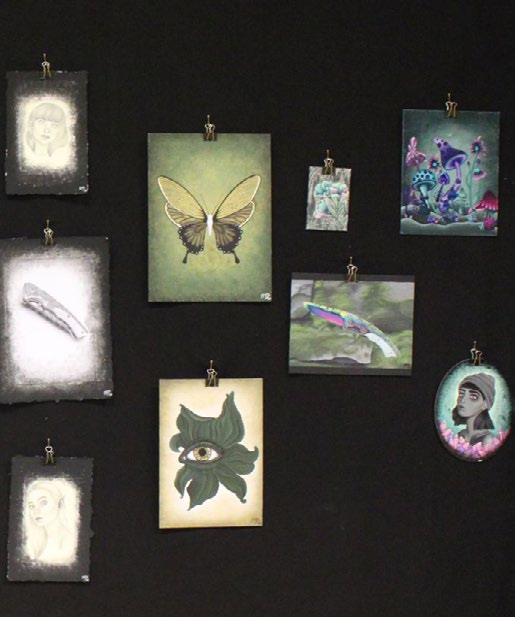
Right: painting, Sebastian E.; centre and left: painting, Pascal S.
2025
To make this free space something people could experience again, we launched an Open Call. We were looking for people who wanted to make the project happen with us. We found a space for it at Flösserplatz in Aarau. The call was also aimed at people who wanted to give their art a stage and had so far had little or no chance to do so. At the same time, they should be keen to help make it happen, in line with our existing principles and values.
The Open Call ran for one month from August 2025. We received 14 sign-ups from people aged between 16 and 38. We looked for musicians for the evening programme through our contacts. But among the sign-ups there was also someone who wanted to “exhibit” music rather than visual art. That sign-up was decisive for today’s concept and for how the project went on to develop.
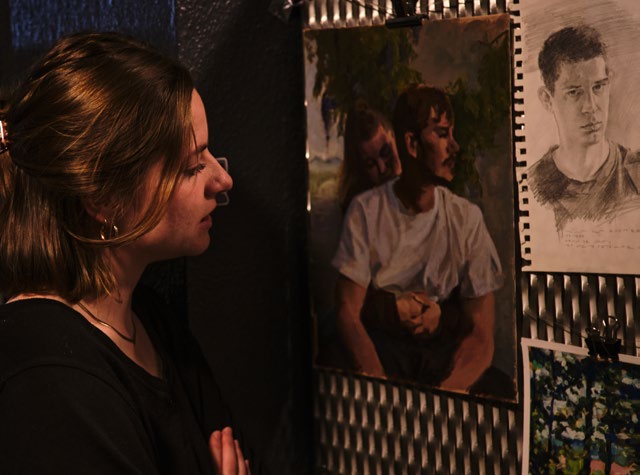
The first get-to-know-you meeting took place soon after. The initial shyness gave way to an energy and drive that overwhelmed us. There were still five months to go until the event. We were 18 people organising it: 16 exhibitors, an electronic live act and a DJ. Two bands joined us as well. Only five of us already knew each other from the KUBO collective. A new collaboration took shape, in which we got to know each other and brought our different interests together. We wanted the event itself to show this coming together, too. In keeping with our principle of “Accessibility for all” we chose the theme “Exchange & Diversity”.
Working together went smoothly. In regular meetings we divided up tasks and shared knowledge. We did without hierarchies, so that everyone could bring in their strengths, needs and wishes. KUBO’s principles and values lived on in this project too. We quickly grew together.
2026
Art exhibition and evening programme
Flösserplatz, Aarau, January 2026
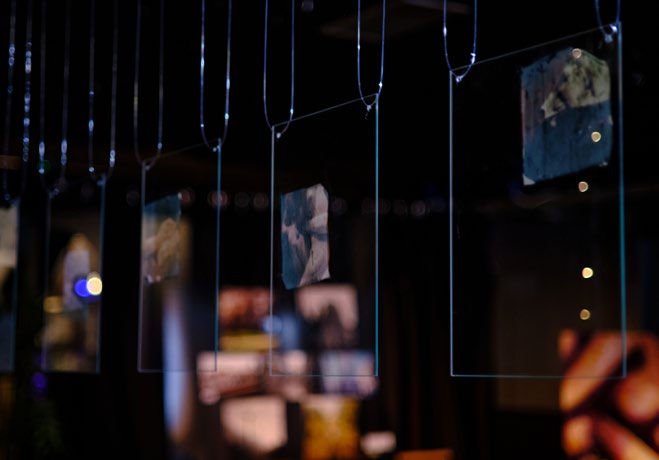
We met the evening before to set up, and we could feel that togetherness in the room. Until then we had hardly seen each other in person, because without a space of our own we had held our meetings online. Even so, it felt familiar. We were connected by our passions and by the wish to take this free space for ourselves and shape it together. We supported each other, not because we felt obliged to, but because the project made us feel connected. With no hierarchies, we all saw ourselves as equally responsible.
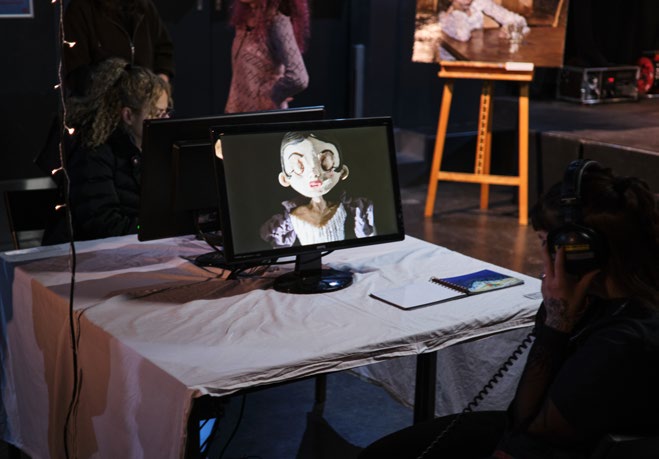
On Saturday at 11 a.m. we opened the doors. We took turns at the entrance, looking after the space and cooking. We had lunch and dinner together, welcomed people and took breaks with them in our cosy chill-out corner, which was open to everyone.
The atmosphere was warm. It felt like friends dropping by. We talked with the visitors, felt their enthusiasm and noticed some of them staying longer. We had deliberately set up places to sit next to and between the artworks, so that people could slow down together. That is exactly where some of the most open conversations happened. By the time the exhibition ended and the evening programme began, we had shared our art with 150 people. From painting, installations and animation to photography, it was as diverse as we are.
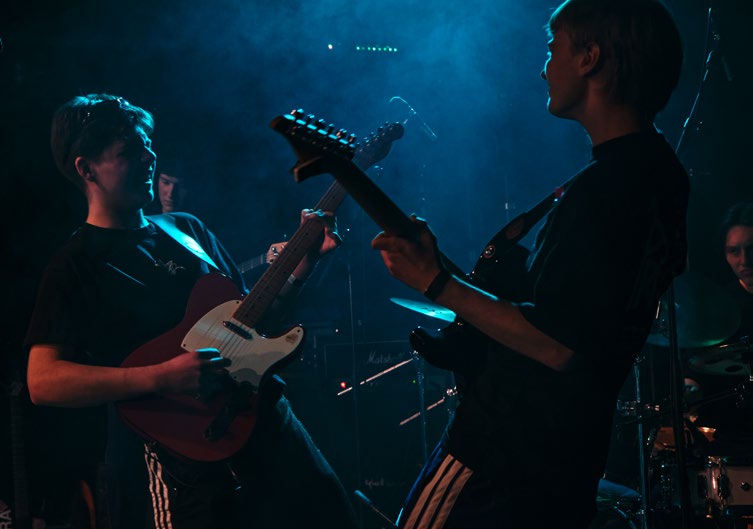
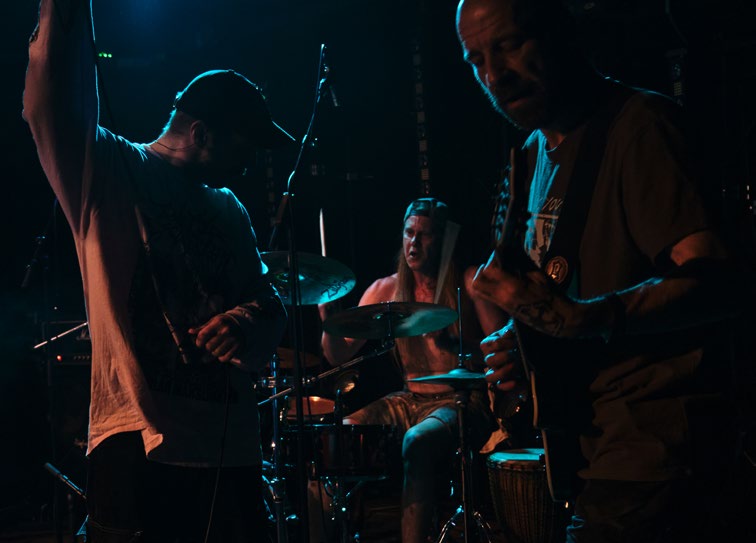
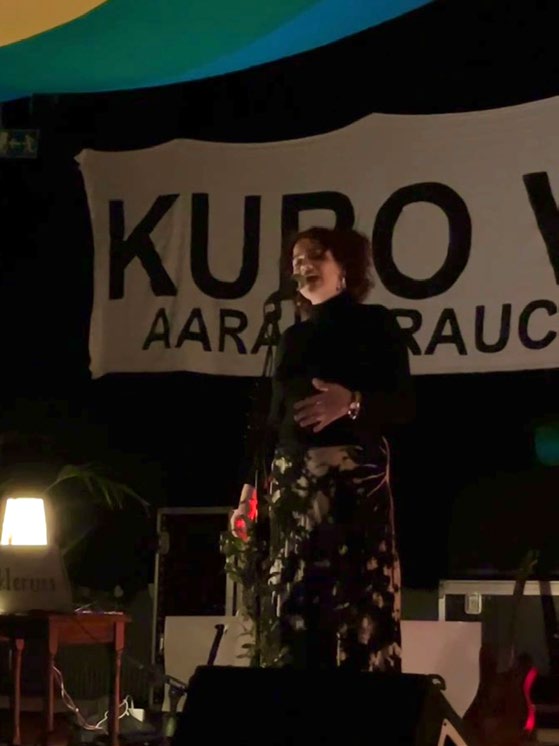
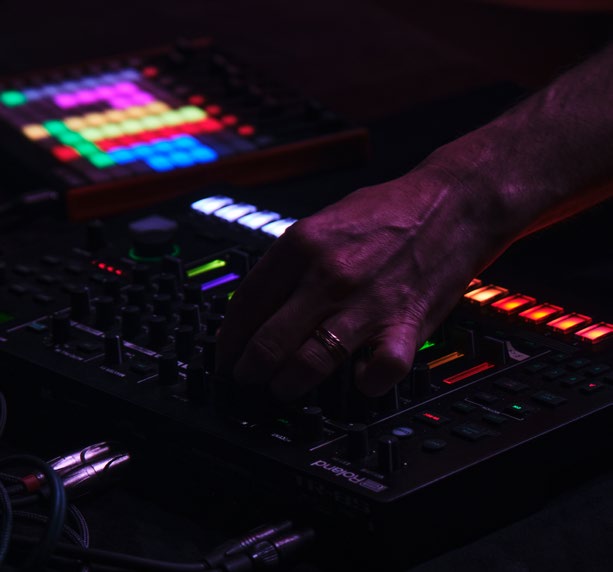
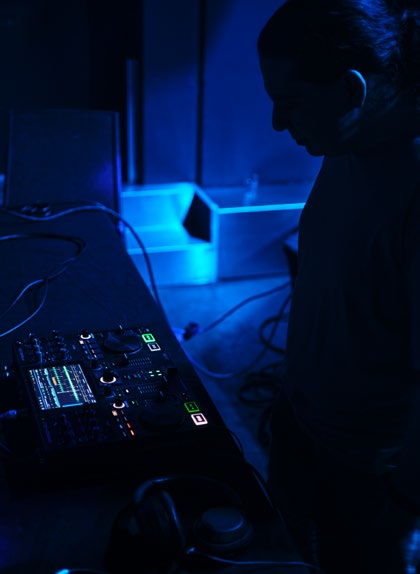
We quickly took down the artworks and got the stage ready for the musicians. Petta Reddast opened the evening programme with funk. The transition could hardly have been better: they took the warm, cosy atmosphere up on stage with them and loosened it up. Almost like being gently woken into the evening. Then Aaura took over with punk and brought energy into the room. Silifly kept that mood going on the dance floor with his electronic live set (deep/techno). DJ Keruna closed the night with acid/techno/melodic and let the evening drift back into that warm mood.
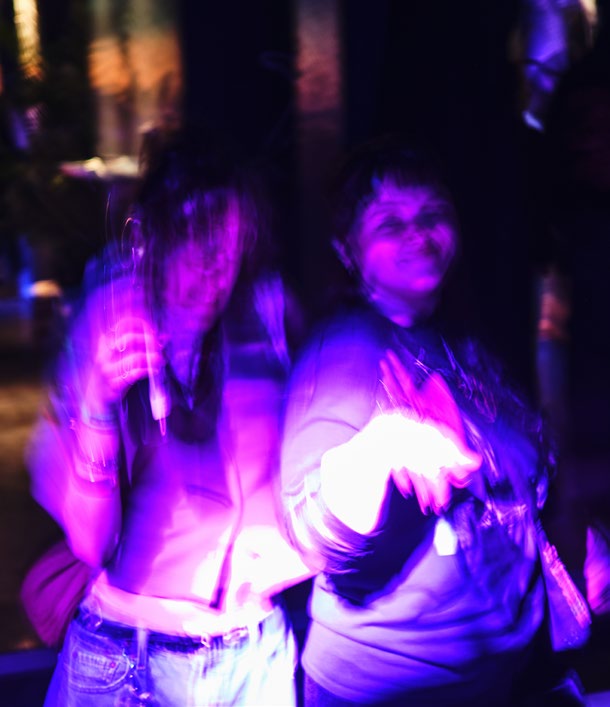
The mix of musical styles was bold, and it was deliberate. Just as with the visual art, we wanted to live diversity here too and make exchange possible.
And that is exactly what happened at the changeovers. People came for a particular style of music, and some stayed out of curiosity or got chatting at the entrance. The crowd kept mixing in new ways.
After the musical evening programme, which 250 people attended, we looked back with a good feeling. We sensed that free spaces like this are needed. For the people who create them, just as much as for those who visit them.
All the positive feedback and the experience we shared encouraged us to keep going. Afterwards, several people from the project joined the KUBO collective. Together we wanted to create more events and so make free space possible, even if only for a while. At that point we didn’t yet know whether this was the end of KUBO or a new beginning. After a short breather, we say: a new beginning. We won’t give up the fight to keep free space alive, and we want to keep making this feeling something people can experience.
2.Today
2.1“Why is this project needed?”
Because …
- …there need to be spaces for encounters where people can pursue their interests together and on their own terms.
- …it brings people together – participants and visitors alike
- …it helps shape and enrich culture
- …it gives people a space to show or perform their art for the first time
- …it makes participatory work and cultural participation possible
- …it creates low-threshold access to culture for participants and visitors
- …together we can show by example that culture can be organised, created and lived differently from what has become normal in our consumer society.
Our vision is to make exactly this kind of space for all kinds of art possible in the long term through this project. The project depends on being low-threshold. It stays open and keeps changing, because new people, ideas, visions and knowledge come in again and again.
2.2Where things stand
The KUBO collective is still going and is putting on a new season of the project in 2027. Three art exhibitions with a musical evening programme are planned, at three different venues in the canton of Aargau.
New this time are creative and info stalls, plus a food stall serving creative dishes. Once again, an Open Call is looking for people to join the project: for the music programme, to exhibit their art, to run creative and info stalls, or simply to help make the project happen. The project stays open-ended and low-threshold.
3.Concept
3.1Principles & values
This free space, as we call it, lets us work together free of rules, expectations and hierarchies, so that everyone involved can contribute, shape things together and try things out.
- Bring in your own ideasIdeas, perspectives and additions are equally welcome from everyone
- Try new thingsTogether, we try to make room for trying things out
- Help shape the projectAccording to your own interests and strengths – everyone is an equal member in every process, and there are no expectations/prerequisites for this.
- Share knowledgeSeen as a shared resource – openly accessible to everyone
- Decide togetherEveryone decides as an equal member – openness to change and ongoing negotiation instead of rigid structures
- No hierarchiesNobody sees themselves as more or less – equality in everything
- Non-commercialAccess for everyone by removing financial barriers
- No judgementWe don’t decide what is good or bad – we negotiate instead of judging
- Sensitivity towards each other (including content)We keep reflecting on our own positions – treating each other with care and respect
- Discrimination-free (or at least low-discrimination) interactionWe take different lived realities into account and try to break down barriers and discrimination as far as we can.
- An open culture around mistakesFeedback is welcome, taken seriously and worked through together – existing structures can and should be questioned and adapted
3.2Project structure & programme
Together with artists and musicians, we shape spaces for encounters and bring them to life as art exhibitions, creative stalls and a musical evening programme.
Official project description
What kind of art emerges when we take free space for ourselves?
What can art be in a space for encounters?
These are the questions we explore with the exhibition series «NOCH:NICHT». Together we create spaces for encounters between people, ideas and different art forms. From visual art to music. We bring in our own ideas and shape the project together. The project thrives on new people joining again and again and developing it further with their ideas, interests and experiences.
Here, different artistic points of view can stand side by side, free of any judgement. We exchange ideas with each other and with visitors, discover different forms of expression and make free space something we experience together.
NOCH:NICHT (not yet) means ALREADY:NOW! Free from any expectation of prior experience, we already are artists, musicians, co-creators of culture and creative people. We create space and a stage for ourselves and our art. Together we make culture for everyone!
Who
A group made up of people from the KUBO collective and people who join through the Open Call. (Joining the collective is not a requirement)
Where
Flösserplatz, Aarau
- 26.02.2027
- Opening
- 27.02.2027
- Art exhibition
Musical evening programme
Royal, Baden
- 03.04.2027
- Art exhibition
Musical evening programme
KuZeB, Bremgarten
- 29.05.2027
- Art exhibition
Musical evening programme
How
A seasonal, participatory project that aims to take place every year. It is open-ended, low-threshold and flexible, and anyone can take part, whatever their prior experience.
Content
Art exhibition
All kinds of art by the participants, under the motto: “As diverse as we are”
Creative stalls
Stalls make creativity visible. Work can also be made right there on site, giving people a glimpse into the artists’ creative process.
Food stall
Creative, regional and seasonal dishes for visitors. In line with KUBO’s values, the food stall is vegan.
Info stalls
Collectives/organisations that share our values can lay out information material and talk with visitors, giving their work more visibility. (Creative ideas that could add to the programme are welcome and can be discussed with the project organisers in advance.)
Music programme
Musicians put together a varied concert programme of their music.
Schedule
The event and programme schedules and the set-up and take-down plans are continuously worked out and updated throughout the project by the Programme Planning WG and the Coordination WG. The Programme Planning WG is responsible for updating and developing them, while the Coordination WG is responsible for gathering and passing on information.
- Evening before
- Set-up, dinner
- Morning and afternoon
- Art exhibition, creative and info stalls, food stall, crew lunch
- Changeover
- Take down art exhibition, set up stage, soundcheck, crew dinner
- Evening
- Musical programme, food stall, take-down
Open Call
From 12.10.2026 to 09.11.2026 we are looking for people to take part in the project. We are looking for artists, musicians, creative people for stalls, and collectives/organisations for info stalls (see description: Content).
We deliberately don’t decide who or what art gets to take part. The only decision-making power we hold as a collective is to check the content, and nothing else, against our values, so that we can offer a safe space. We also keep an eye on the number of sign-ups and will close the Open Call early if it grows beyond what we can handle. That way, there is actually room for the people who have already signed up. For this, the Programme Planning WG draws up a guideline, adapted to the venues, that sets out how many places are available. Still, we keep some flexibility and leeway here and decide collectively on any adjustments or extensions.
Description on the flyer
NOCH:NICHT (not yet) means ALREADY:NOW! Are you an artist or a musician? Then join us in creating free space and a stage for you and your art. Together we make culture for everyone!
Open Call description
NOCH:NICHT – Open Call 2027
Do you make art or music, have an idea for a creative stall, or want to run an info stall with your collective? Then join NOCH:NICHT.
We are people from the KUBO collective, and in 2027 we’re organising three art exhibitions together with a musical evening programme in Aargau. For this, we’re looking for more people who want to share their work and help shape the project. Even if it’s your first time exhibiting or performing: no experience needed!
Shaping it together
We create free space to try things out, bring in ideas and learn from each other. That includes organising everything together. You take on tasks that suit your interests and capacity. We support each other and make decisions together.
Our values and treating each other with respect are the basis for a space with as little discrimination as possible. Collectives and organisations that share these values are welcome to run info stalls.
The project is not-for-profit. Instead of fixed fees, a shared collection is divided among everyone involved, in solidarity. Creative stalls are part of this concept and are not sales stalls.
The events
- 26 February 2027
- Flösserplatz, Aarau (opening)
- 27 February 2027
- Flösserplatz, Aarau
- 03 April 2027
- Royal, Baden
- 29 May 2027
- KuZeB, Bremgarten
Sign-up
Sign up between 12 October and 9 November 2026 using the sign-up form – even if you already know us or have taken part before. People under 18 need the consent of a parent or guardian.
If we get a very large number of sign-ups, the Open Call may close early. Afterwards, we’ll get to know each other at a meeting and plan the next steps together.
Open Call 2027 Sign up by 09.11.2026 Go to the sign-up form →Working groups (WG)
The work was divided into WGs, which people could join and work in according to their individual needs and strengths. People can work in several WGs and leave them again at any time. The aim is to make the work more structured and to lighten the load.
The WGs don’t work in isolation from each other: they keep in touch through project meetings that everyone involved attends, and through overlapping areas of responsibility (see: project checklist). This way we work together, while each person can focus on their own strengths and interests.
We see knowledge as a shared resource, so all people and WGs have full access to all existing working documents. At each project meeting, the WGs report on where they stand, everyone shares ideas and the next steps are discussed.
Coordination WG
Shares responsibility for timelines, keeping the checklists up to date, collecting tasks, networking and keeping an overview of the whole picture. It keeps that overview through one person from the WG who sits in on all the other WGs, but doesn’t necessarily work in them actively unless they want to. To avoid hierarchies, the WG does not take sole responsibility for any tasks. One person from this WG acts as the contact person/link for each of the following areas: artists/exhibition; creative, info and food stalls; musicians/evening programme; communication between venue and project. This person picks up questions and passes information between the WGs.
Communication WG
Takes care of external communication, covering everything to do with text, descriptions, press relations and the concept. It works through the collective decisions, drafts proposals and finalises them.
Media WG
Takes care of how we present ourselves to the outside world, as well as questions such as where and to whom our promotion and communication are directed. Visual design, putting together a promotion strategy and looking after our own promotion channels all fall within its remit.
Finance WG
Takes care of raising money through grants, documents and manages the finances, is responsible for payments (paying invoices, reimbursing travel costs, etc.) and is the contact for financial support. It provides the cash float for the events, and documents and divides up the collection each time.
Programme Planning WG
Takes care of planning and running the events themselves, working on the room layout, set-up and take-down, the running order, timing and shift planning, and keeps track of what is needed on site. The Infrastructure WG supports it in this.
Infrastructure WG
Keeps an overview of the infrastructure needed in general, and on site on event days. It finds out what materials are available and what is needed, and documents and gets hold of them. For example: equipment for bands – what is already there? Or materials for set-up and take-down – what do we need? (e.g. tape, scissors). On event days, one person from this WG acts as the contact person/link for tech (taking pressure off the venues) and for getting materials.
Catering WG
Takes care of feeding the crew on event days, during set-up and take-down and at meetings (snacks, drinks, cooking meals), and budgets for, organises and buys what is needed. It keeps track of any allergies/intolerances, talks to each venue, finds out about the infrastructure/options available and is responsible for the crew’s backstage area.
Internal communication
Internal exchange happens mainly in the WhatsApp group chat, to which each WG’s own group chat is linked. Topics within a WG are discussed in that WG’s chat, and decisions/proposals between meetings are presented and discussed in the main project chat.
All WG chats are linked in the description of the main project chat, and anyone can join them at any time.
Meetings
Meetings are organised by the Coordination WG via a poll in the project chat. Before bigger steps (e.g. the Open Call, announcements), this WG schedules more frequent meetings for the whole project. At these meetings, we share updates from each WG, on the project and on tasks.
After the Open Call closes (09.11.2026), the Coordination WG organises an in-person get-to-know-you meeting. It brings existing and new people together and is a chance to introduce the project, get to know each other and get a feel for one another and for working together. We leave project planning out of this meeting so that it stays focused. The dates are sent out with the sign-up confirmation (by email). The meeting takes place between 13.11.2026 and 22.11.2026.
Working materials
We see knowledge as a shared resource, so everyone involved has access at all times to all the working materials, which are stored in the project cloud. Access and editing rights are equally open to everyone.
Cloud
The cloud is linked in the description of the project chat and in the WG chats. Each WG has a working folder where all its documents are stored. Working documents that don’t belong to a specific WG are stored in the main folder.
Checklist
To give everyone more insight and access as the project goes on, everyone involved works in a shared checklist (Excel), which is set up as follows:
Main project checklist – overview of all tasks
Rough task descriptions that give a general overview, including for people outside the WGs.
Structure
Tasks – area (WG) – description – deadline (timeline) – who (WG or specific person) – done (yes/still open)
The same file has further sheets with checklists for each WG, where the tasks from the project checklist are carried over, listed in more detail and assigned (to people in the WG). These checklists keep the project checklist from getting overloaded and at the same time help with each WG’s internal workflow.
Public presence
Promotion strategy
The promotion strategy is worked out by the Media WG and deals with how we get the word out.
- Where
- In which places/on which platforms?
- How
- Which formats and delivery methods?
- Why
- What is our connection to this place/platform?
We spread the word digitally and offline, e.g. via Instagram, laying out flyers, putting up posters, mailings, radio appearances and more. The strategy (as a list) can be found in the cloud, and we hope everyone involved will keep adding to it, across projects.
The KUBO account can be used for this. The Open Call is created and published independently of the venues. No collab post is made on Instagram for it. However, when the flyer for a specific event is posted, the collab feature will also be used, depending on whether the venue has an Instagram account.
Website
For now we are still using the KUBO website, as we currently don’t have the resources for a separate project site.
Visual identity – flyers
The flyers and media presence are split into different colours, to show that the individual flyers are distinct but still belong together and so form a series (an event series). This is done through a colour concept:
- Orange / Open Call
We chose orange because last year’s flyer had orange elements in it. This links the start of the new season to the last one. - Blue / Flösserplatz in Aarau
- Red / Royal in Baden
- Purple / KuZeB in Bremgarten
The colours for each venue were matched to its own look.
Each venue has its own mask, which is worked into our flyers. Every flyer includes a QR code linking to the flyer for the next event(s).
3.3Audience & impact
Target audience
- Artists who are not (yet) established
- People interested in art and culture
- People who want to help shape culture
Impact
- Open, diverse and free
- Accessible
- Space for everyone
We want to …
- …take up space – create free space together
- …help shape culture
- …create space for exchange
- …make space that reflects diversity
- …collect memories and experiences
- …make room for musicians and artists
- …organise ourselves in solidarity with each other, away from the everyday pressure to perform, be efficient and compete, to create what we want – and without chasing profit
- …experience and live alternative ways of working together
- …make solidarity and self-organisation something we can live
3.4Funding
Our costs are covered by grants, which we apply for from various funding bodies. The project is not-for-profit, and its only income is a voluntary collection at each event. Nothing is sold, except in aid of the shared collection, in exchange for a voluntary contribution of your own choosing.
Our principle
The money from the collection that is shared among the people involved cannot and should not reflect the “value” of the effort they have put into the project. Rather, it is meant to help them cover their own expenses, and is seen as a small thank-you. We deliberately make no distinction based on the “role” people had in the project or how much time they put in. What matters is that we create something together, and so we avoid reproducing problematic, profit-driven patterns. At the same time, nobody should end up “out of pocket” because they took part, which is why we try to support each other in solidarity.
This can happen in many ways, e.g. sharing tools, sharing lifts or other kinds of mutual help. We want a community where we support each other, not for money, but for the project and the people in it.
Dividing up the collection
For each event (art exhibition + evening programme at one venue), the money from the collection is divided equally among everyone who took part in that event. It makes no difference whether someone helped organise things beforehand in a WG or helped run the event on the day. People should have the freedom to contribute according to their interests, skills and capacity. Of course, they can also take on a different role at each event and try something new.
Musicians
We don’t want to promise individual acts a flat fee. Instead, every single musician shares in the collection as one person, just like everyone else.
Creative stalls
We don’t want any “sales stalls”; the takings from the creative stalls’ solidarity collection would go into the shared collection, and each stall then counts as one person when it is divided up. So that the people behind a stall aren’t left paying for materials themselves, we will support them. They can tell us in advance what they need, and we will try to help. (e.g. covering material costs through our financial support options)
Info stalls
Info stalls can keep the money from items they sell at cost price (no profit) (e.g. books at an OAT table). Money that goes into a solidarity box, however, would also go into the shared collection, and the info stall would then count as one person when it is divided up.
KUBO
KUBO counts as one person each time a collection is divided up. This lets us save money for future projects and, at the same time, give something back for the infrastructure we use. (e.g. use of the name, website, stored materials, etc.)
Support options
The Finance WG provides a tool where people can let us know if they need (financial) support. That might be a band that has to hire a bigger car to get their instruments to the venue, or someone who needs help with travel costs. The WG then checks what is possible with the grants we have been awarded. First, though, we look at whether the situation can be solved collectively without extra expense (e.g. sharing lifts), or whether it needs to be funded from the grants.
3.5The people behind it
We are …
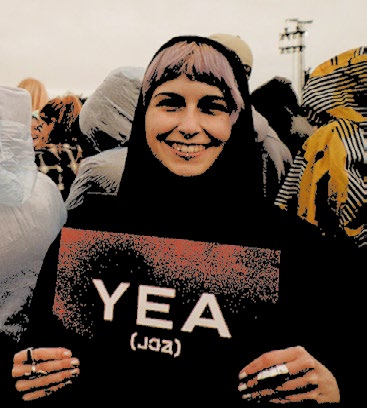
Alija (she/her)
Social educator and all-round artist from the Aarau area. She finds and seeks her creative expression through various artistic media. Her openness and versatility show in how she likes to spend her free time: out in nature, playing guitar, programming, knitting and much more. A keen interest in social, political and philosophical questions makes her an interesting person to talk to. She brings experience from a variety of volunteering with different organisations and at events, opening up exciting new perspectives and ideas.
(Translated from German – may not be word for word what this person wrote.)
Daniela (she/her)
Artist and cultural worker from Aarau who works on shaping how people come together and meet in different spaces. As an artist, she expresses herself through painting and also likes to combine different media. Her keen interest in social and socio-political questions and issues, as well as philosophy, runs through all her work and is reflected in her various projects. She finds balance in reading, or in hiking and nature, which she likes to enjoy with her animal companion. With her vegan creations, she likes to build community and connection through sharing food. Loves candles.
(Translated from German – may not be word for word what this person wrote.)
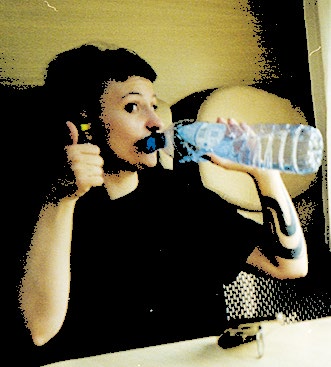
Fabi (they/them)
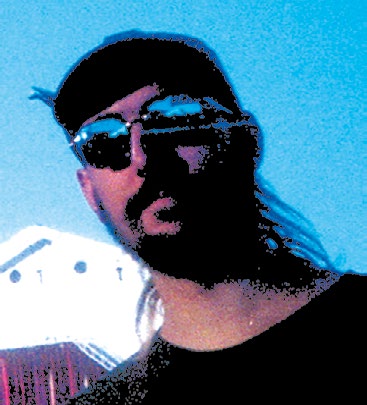
Anarcho from social work and from Aarau. Has a keen interest in living together in solidarity, and helps shape the local culture scene and ways of coming together accordingly. They are passionate about photography, filming and writing, and find their artistic expression there. Vegan cooking, shared meals and the conversations that come with them are part of their free time. They find balance and relaxation in reading, in nature and in living with their two cats. Activism and caring for each other in solidarity are a big part of their everyday life, so they bring exciting perspectives and open up space for interesting exchange.
(Translated from German – may not be word for word what this person wrote.)
Adriana Moira (she/her)
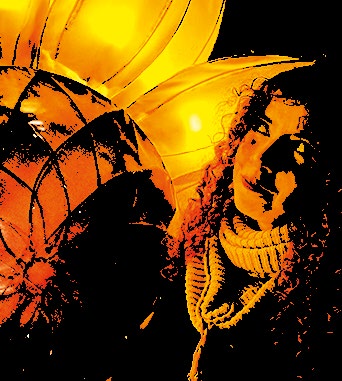
Animator and illustrator from the Aarau area who loves and lives visual design across different media. As an artist, she also expresses herself through music, singing and playing guitar and ukulele, as well as through songwriting, producing and sound design. All this makes her work, herself and her free time very varied – free time she also fills with swimming, hiking and enjoying nature, travelling and visiting museums. She weaves these impressions and her keen interest in social and socio-political issues into her painting, photography, film and jewellery making.
(Translated from German – may not be word for word what this person wrote.)
Virgínia Neta (she/her)
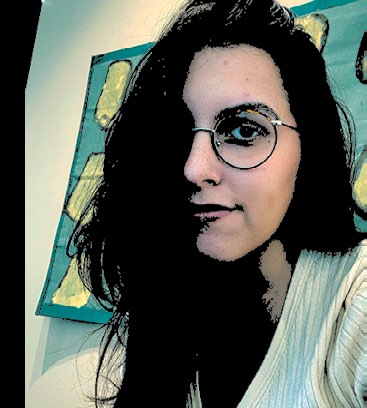
An artist and cultural worker from Aargau, she likes working with different media, such as drawings, photographs and writing poems. She uses them to process her feelings and is especially interested in combining and mixing languages – something rooted in her trilingual everyday life – and so she reflects this influence on her emotional impressions. She loves not only writing itself but just as much reading, drawing and spending time with her pets and loved ones. Her wish to create a place where people can come together, enjoy their time and be creative strongly shapes her collective work.
(Translated from German – may not be word for word what this person wrote.)
Luna (es/it)
Queer photographer and artist from Aargau, working with various photographic processes, embroidery design, various DIY projects and websites. As a photographer and artist, it matters to Luna that everyone has a voice and a place. It is also interested in being together in solidarity in all its forms, for example at events or when it cooks for people. It loves reading, the moon and everything mechanical and analogue, and brings valuable technical know-how as well as knowledge of photography. With its open and caring nature, it brings people together and strengthens the sense of togetherness and community.
(Translated from German – may not be word for word what this person wrote.)
…and many more wonderful people!